Eczema can be one of the most frustrating skin conditions to manage. It causes itching, redness, and irritation that can flare up unexpectedly, leaving your skin feeling uncomfortable and sensitive. For many people in the Houston area, the heat, humidity, and frequent temperature changes only make it worse.
At Bellaire Dermatology, we help patients of all ages find lasting relief. Understanding what causes eczema and how to care for your skin is the first step toward getting it under control.
What Is Eczema?
Eczema is a chronic skin condition that affects your skin’s ability to retain moisture and protect itself from irritants. When your skin barrier becomes weak, your immune system overreacts to everyday triggers. It responds with inflammation, dryness, and itching.
While it’s common in children, eczema can develop or persist into adulthood. Some people experience mild patches that come and go, while others deal with more frequent or severe flares that affect their sleep and daily comfort.
What Causes Eczema?
Eczema doesn’t have a single, clear-cut cause. Instead, it arises from a combination of factors that affect your skin’s structure and immune response.
Some people are born with a genetic tendency toward dry or easily irritated skin. Others develop symptoms later in life due to stress, allergies, or exposure to harsh products. Understanding what’s triggering your eczema is the key to finding lasting relief and preventing future flare-ups.
Genetic Factors
Eczema often runs in families. Some people inherit a genetic tendency toward sensitive or “leaky” skin barriers, which allow moisture to escape more easily. When that barrier is compromised, irritants, bacteria, and allergens can enter the skin, causing inflammation.
Immune System Response
People with eczema tend to have an overactive immune response. This means the body reacts strongly to triggers that might not bother others, releasing inflammatory signals that lead to redness, swelling, and intense itching.
Environmental Triggers
The environment plays a big role in flare-ups. In Houston, for example, the combination of heat, humidity, and air conditioning can wreak havoc on eczema-prone skin. Sweat, pollen, pet dander, and harsh soaps can all make symptoms worse. Even seasonal changes can trigger itching or dryness.
Stress and Lifestyle Factors
Stress doesn’t cause eczema, but it can make it worse. When the body is under pressure, it releases hormones that can increase inflammation and sensitivity. Lack of sleep, frequent hot showers, and poor hydration can also contribute to flare-ups.
Allergies and Sensitivities
Eczema is often linked with allergic conditions such as asthma or hay fever. Exposure to allergens like dust mites, mold, or certain foods can trigger or worsen symptoms.
Are There Different Types of Eczema?
Although eczema is often used as a general term, there are several types. Each one looks a little different and responds best to specific treatments. Knowing which type you have can help your dermatologist tailor your care plan.
Atopic Dermatitis
This is the most common form of eczema and the one most people are familiar with. It’s caused by a combination of genetics, immune activity, and environmental triggers that weaken the skin barrier. It often begins in childhood and may be associated with allergies, asthma, or hay fever.
Contact Dermatitis
This type develops when your skin comes into contact with an irritant or when an allergen triggers an allergic reaction. Common triggers include detergents, fragrances, or metals like nickel. The reaction can appear as redness, swelling, or blisters within hours of exposure.
Dyshidrotic Eczema
Dyshidrotic eczema causes small, itchy blisters to form on the hands, fingers, or feet. These blisters can be painful and may appear suddenly. Stress, heat, or frequent handwashing often make it worse.
Nummular Eczema
This type appears as round, coin-shaped patches of dry, inflamed skin. It’s often triggered by dry weather, skin injury, or irritation from soaps or fabrics. The patches may ooze or crust and can take weeks to clear up.
Seborrheic Dermatitis
Seborrheic dermatitis affects areas with more oil glands, such as the scalp, face, and upper chest. It causes flaky, greasy-looking patches and redness. When it occurs on the scalp, it’s often called dandruff.
Stasis Dermatitis
This form usually appears on the lower legs due to poor circulation. When blood pools under the skin, it can cause swelling, redness, and irritation. Over time, the skin may thicken or darken. Managing circulation issues is key to treating this type effectively.
Each type of eczema has unique triggers and may require a different approach to care, which is why working with a qualified dermatologist is essential.
Recognizing the Symptoms of Eczema
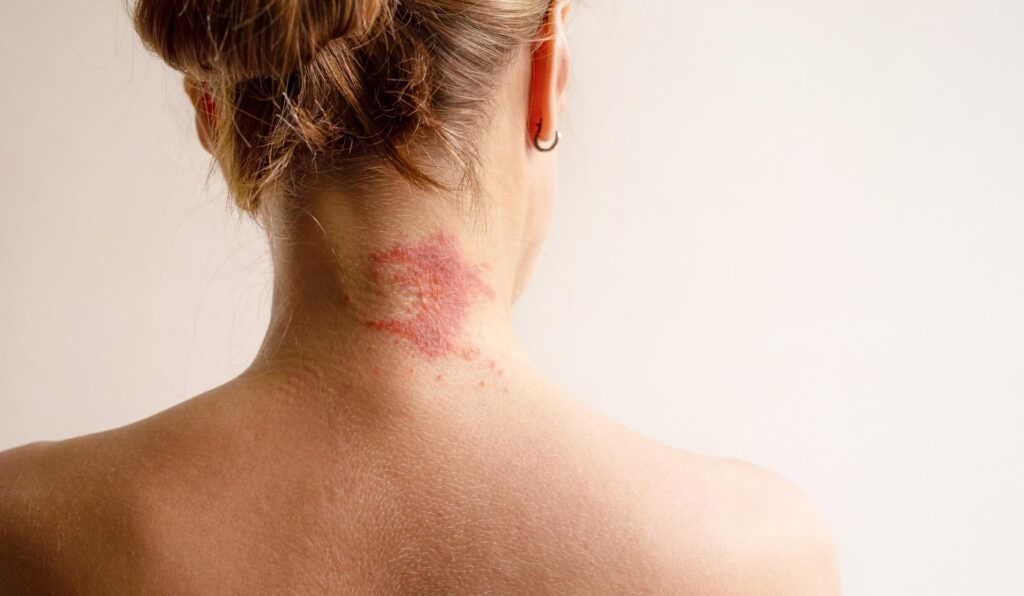
Eczema doesn’t always look the same for everyone, and its appearance can change depending on your skin tone, age, and the type of eczema you have. For some, symptoms are mild and appear occasionally, while others experience persistent irritation that interferes with sleep and daily comfort.
Understanding how eczema presents can help you recognize flares early and seek the right care before symptoms worsen. Common signs include:
- Persistent itching or burning sensations
- Dry, rough, or scaly skin
- Red or darker patches on the face, neck, arms, or legs
- Cracked skin that may ooze or bleed
- Thickened or leathery skin from repeated scratching
- Sleep disruption caused by nighttime itching
For people with medium to dark skin tones, eczema may appear gray, purple, or dark brown rather than bright red, making it harder to recognize.
Why the Houston Climate Makes Eczema Worse
Houston’s weather can be harsh on sensitive skin. The hot, humid summers cause sweating, which can sting and trigger itching. Moving between outdoor heat and air-conditioned indoor spaces creates rapid temperature and humidity changes that dry out the skin.
During cooler months, lower humidity can cause flares to return. Local allergens, such as pollen and mold, can also act as triggers. Because of these conditions, many people in the Bellaire and Sugar Land areas deal with eczema symptoms year-round.
We can help you develop a skincare routine designed for the Houston climate, focusing on hydration, barrier repair, and trigger avoidance.
What Are Our Eczema Treatment Options?
While there’s no cure for eczema, there are many effective ways to manage it. The main goal of treatment is to reduce inflammation, relieve itching, and minimize the frequency and severity of flare-ups. At Bellaire Dermatology, we help patients find the right balance between at-home care and advanced medical therapies to restore comfort and improve long-term skin health.
At-Home Eczema Remedies
Consistent Skin Care Routine
Healthy skin starts with hydration and gentle care. Moisturize frequently throughout the day to reinforce the skin barrier and keep dryness under control. Choose fragrance-free creams or ointments, and avoid hot showers or harsh soaps that strip moisture from your skin. Lukewarm baths enriched with oatmeal or baking soda can also ease irritation when your skin feels inflamed or tight.
Antihistamines
Because eczema often overlaps with allergies, an antihistamine can help calm the itching associated with allergic reactions. Over-the-counter options like cetirizine (Zyrtec), loratadine (Claritin), or diphenhydramine (Benadryl) may be used short-term to manage symptoms.
Pain Relievers
When eczema causes stinging, swelling, or tenderness, over-the-counter pain relievers such as acetaminophen (Tylenol) or ibuprofen (Advil) can help you stay comfortable during flares.
Topical Steroid Creams
Mild over-the-counter hydrocortisone creams can ease redness and itching, while prescription-strength ointments provide stronger relief for persistent irritation. We will recommend the best formulation based on where your eczema appears and its severity.
Moisturizers
Not all moisturizers are equally effective. Ointments are typically more protective than creams, and creams are usually better than lotions. In general, products packaged in tubs tend to contain fewer preservatives than those packaged in pump bottles. Choose fragrance-free formulas and avoid ingredients like alcohol or dyes that can irritate sensitive skin. The National Eczema Association’s Seal of Acceptance is a reliable guide when selecting safe products.
Shampoos for Scalp Eczema
If eczema affects your scalp, a dandruff shampoo may help. Look for products containing zinc pyrithione, selenium sulfide, or ketoconazole to reduce itching and flaking related to seborrheic dermatitis.
Wet Wrap Therapy
For severe flare-ups, wet wrap therapy can quickly rehydrate and calm the skin while helping topical treatments absorb better. To try this, dampen a clean cotton garment or dressing with warm water and place it over the affected area. Cover it with a dry layer and leave it on for several hours or overnight for the best results.
Prescription and In-Office Treatments
Biologic Medications
Biologic treatments are injectable therapies designed to target the immune processes that trigger eczema. By addressing inflammation at the source, these medications can significantly reduce flare-ups and restore comfort. Biologics are often recommended for patients with moderate to severe eczema who have not responded well to other treatments.
Phototherapy
Phototherapy, or light therapy, uses controlled doses of ultraviolet (UV) light to decrease inflammation and itching. It’s an effective option for patients whose eczema hasn’t improved with topical or oral medications. With consistent sessions, many people begin to see results within one or two months.
Immunosuppressant Medications
For certain patients, prescription immunosuppressants can help calm an overactive immune system and give the skin time to heal. We closely monitor these medications and typically reserve them for moderate to severe eczema.
How Can You Prevent Future Flares?
Eczema management goes beyond treating active symptoms. Triggers often include irritants like detergents, fragrances, rough fabrics, stress, heat, sweat, and allergens such as pollen or pet dander. Even small exposures can weaken the skin barrier and spark inflammation, especially in Houston’s warm, humid climate.
Developing a consistent skincare routine is one of the best ways to prevent flares. Regular moisturizing, gentle cleansers, and avoiding hot showers all help reinforce the skin barrier. Making small lifestyle adjustments — such as choosing breathable clothing, managing stress, and staying hydrated — can further support healthy, resilient skin.
Why Choose Bellaire Dermatology for Eczema Care
At Bellaire Dermatology, eczema care is rooted in both medical expertise and personalized attention. For over 27 years, our physicians have treated patients of all ages across Houston with advanced therapies and compassionate care. We manage complex conditions such as eczema, psoriasis, and acne using state-of-the-art treatments, including narrowband UVB therapy and biologic medications, always tailoring treatment to each patient’s needs and lifestyle.
Our in-house dermatology lab allows for rapid, accurate testing and timely treatment decisions. This integrated approach means patients receive precise diagnoses and comprehensive care under one roof. From education and prevention to ongoing support, Bellaire Dermatology is dedicated to helping you achieve calmer, healthier skin with results you can see and feel.
Live Well With Eczema Through Our Treatments
Living with eczema can be challenging, but with the right care, it’s entirely manageable. Modern treatments, a consistent skincare routine, and awareness of your triggers can help you maintain calm, healthy skin. Even when flare-ups occur, early attention and proper management can ease discomfort and speed healing.
At Bellaire Dermatology, we are committed to helping patients of all ages find lasting relief from eczema. We combine advanced treatments with personalized guidance to create plans that fit your lifestyle and Houston’s unique climate. Whether you’re struggling with persistent itching or looking for long-term control, our team can help you take the next step toward healthier, more comfortable skin.
Schedule a consultation with us today to learn how expert care and modern treatments can help you manage eczema and protect your skin for years to come.