Rosacea is one of the most common chronic skin conditions seen in dermatology, yet it is also one of the most misunderstood. Many people assume the redness, flushing or acne-like breakouts they experience are simply due to sensitive skin or adult acne. In reality, rosacea is a distinct inflammatory skin condition that requires specialized care.
For our patients, rosacea can be particularly frustrating. Heat, humidity, sun exposure and temperature changes can all contribute to flare-ups, making symptoms feel unpredictable. The good news is that rosacea can be effectively managed with the right diagnosis and treatment plan.
At Bellaire Dermatology, rosacea care focuses on identifying the specific pattern of your condition and creating a personalized plan designed to reduce redness, control inflammation and help your skin look and feel calmer over time.
What Is Rosacea?
Rosacea is a chronic inflammatory skin condition that most commonly affects the central face. The cheeks, nose, forehead, and chin are the areas where symptoms tend to appear first.
Rosacea is not rare. According to the National Rosacea Society, an estimated 16 million Americans live with rosacea, and many more may have symptoms without a formal diagnosis.
Although rosacea cannot currently be cured, it can be effectively controlled with proper dermatologic care. Most patients experience significant improvement once triggers are identified and the right treatments are introduced.
Why Rosacea Happens
The exact cause of rosacea remains under investigation, but dermatologists understand several factors that contribute to the condition. These include:
- Inflammation within the skin
- Increased reactivity of facial blood vessels
- Genetic predisposition
- Environmental triggers
- Immune system responses
For many patients, rosacea develops gradually. Early symptoms may appear as occasional flushing or mild redness. Over time, the redness may last longer or become more noticeable.
Without treatment, some people develop additional symptoms such as visible blood vessels or acne-like bumps.
Causes Of Rosacea
External triggers influence many rosacea flare-ups. These triggers vary from person to person, but several patterns are commonly observed.
Typical triggers include:
- Sun exposure
- Heat and hot weather
- Spicy foods
- Alcohol
- Emotional stress
- Hot beverages
- Sudden temperature changes
Living in the Houston area can make trigger management more challenging. High humidity, intense sun exposure and long summers can all contribute to increased flushing and redness.
Identifying your personal triggers is often an important part of long-term rosacea management.
Signs and Symptoms of Rosacea
Rosacea presents differently in different patients. Dermatologists often describe the condition in several clinical patterns based on symptoms. Understanding these patterns helps guide treatment decisions.
Persistent Facial Redness
The most common symptom of rosacea is ongoing redness in the central face. The cheeks and nose are particularly affected.
This redness may resemble a sunburn that does not fully fade. Some patients also notice sudden, prolonged episodes of flushing.
Acne-Like Breakouts
Rosacea can produce small red bumps and pus-filled blemishes that resemble acne. However, rosacea breakouts typically appear without blackheads and often occur alongside facial redness. These inflammatory bumps may worsen when harsh acne treatments are used.
Visible Blood Vessels
Some patients develop small, visible blood vessels beneath the skin. These thin red lines are sometimes called broken capillaries or spider veins. They most commonly appear around the nose and cheeks.
Eye Irritation (Ocular Rosacea)
Rosacea can also affect the eyes and eyelids. This form is called ocular rosacea. Symptoms may include:
- Red or watery eyes
- Burning or stinging sensation
- Dryness or irritation
- Sensitivity to light
Because ocular symptoms can be overlooked, it is important to mention eye irritation during your dermatology visit.
Rosacea Treatment Options at Bellaire Dermatology
Rosacea treatment plans vary because each patient’s symptoms are different. Some patients primarily struggle with redness and flushing, while others experience breakouts or visible blood vessels.
At Bellaire Dermatology, treatment may include a combination of medical therapy and advanced dermatologic procedures.
Prescription Topical Treatments
Topical medications are often the first-line treatment for rosacea. These treatments are applied directly to the skin and help control inflammation, reduce redness and improve bumps. Prescription creams or gels may target:
- Inflammatory lesions
- Facial redness
- Skin irritation
- Flare prevention
Topical therapy is commonly used as part of a long-term maintenance routine.
Oral Medications
For patients experiencing moderate to severe inflammation, oral medications may be recommended. These medications help reduce inflammatory activity within the skin and can calm active flare-ups more quickly. Oral treatment may be used temporarily during flare-ups or long-term, depending on symptom severity.
Laser and Light-Based Treatments
Many rosacea symptoms are related to enlarged or overactive blood vessels in the skin. Laser and light treatments can target these vessels to reduce redness and visible capillaries.
These treatments work by delivering controlled energy that is absorbed by the blood vessels. The vessels gradually shrink, helping improve the appearance of redness.
Laser and light procedures can be particularly helpful for:
- Persistent facial redness
- Broken capillaries
- Flushing symptoms
- Uneven skin tone
Because these treatments address the vascular component of rosacea, they are often used alongside medical therapy.
Devices Used for Rosacea Treatment
Bellaire Dermatology offers advanced dermatologic technology to address redness and vascular symptoms associated with rosacea.
IPL Photofacial
Intense Pulsed Light therapy, commonly called IPL, is a light-based treatment used to improve skin discoloration and vascular concerns. IPL delivers pulses of broad-spectrum light into the skin. The light energy targets pigment and blood vessels beneath the surface while leaving surrounding tissue unharmed.
For rosacea patients, IPL may help reduce:
- Persistent redness
- Visible blood vessels
- Uneven skin tone
Treatments are typically performed in a series and require minimal downtime. Many patients notice gradual improvement in redness and skin clarity following treatment sessions.
Laser Treatments for Vascular Redness
Certain dermatologic lasers are designed to treat vascular conditions within the skin. These devices emit light at specific wavelengths that target blood vessels. Laser therapy can help improve:
- Broken capillaries
- Diffuse redness
- Flushing associated with rosacea
The choice of device and treatment settings depends on factors such as skin tone, symptom severity and the specific areas being treated.
Clear + Brilliant Laser
Clear + Brilliant is a gentle fractional laser treatment designed to improve overall skin tone, texture and clarity. While it is commonly used for early signs of aging and pigmentation concerns, it may also benefit some patients with rosacea-prone skin.
This treatment works by creating microscopic treatment zones within the skin, which stimulate natural skin renewal and collagen production. As the skin heals, patients may notice improvements in overall tone, texture and skin resilience.
For individuals with mild redness or sensitive skin, Clear + Brilliant can help support healthier skin function and improve uneven tone that often accompanies rosacea. It is sometimes incorporated into broader treatment plans that may also include topical medications or vascular laser treatments.
Treatment Comparisons: Which Option Is Right for You?
The best rosacea treatment depends on the symptoms you are experiencing. Many patients benefit from a combination of therapies.
Best for Persistent Redness
Laser and IPL treatments are commonly recommended for ongoing redness that does not respond to topical therapy alone.
Best for Rosacea Breakouts
Prescription topical medications and oral therapies are often used to reduce inflammatory bumps and pustules.
Best for Visible Blood Vessels
Laser treatments are particularly effective for targeting individual vessels or clusters of capillaries.
Best for Long-Term Management
Combination therapy often provides the best results. A treatment plan may include medications, light-based treatments and skincare guidance. This comprehensive approach helps manage both the symptoms and triggers of rosacea.
What Results Can You Expect from Treatment?
Rosacea treatment focuses on control rather than cure. Because rosacea is a chronic condition, ongoing care is important for maintaining results. With appropriate treatment, many patients experience:
- Reduced facial redness
- Fewer flare-ups
- Improved skin texture
- Decreased breakouts
- Less visible blood vessels
Some improvements may occur within weeks when medication is used to calm inflammation. Laser or IPL treatments often produce gradual improvements as redness and vascular changes fade. We will discuss the expected timeline for improvement based on the therapies recommended for your specific case.
How to Maintain Your Results
Long-term rosacea management often includes lifestyle adjustments and supportive skincare routines.
Gentle Skincare
Harsh scrubs, strong exfoliants and irritating ingredients can worsen rosacea. Gentle cleansers and moisturizers designed for sensitive skin are typically recommended.
Sun Protection
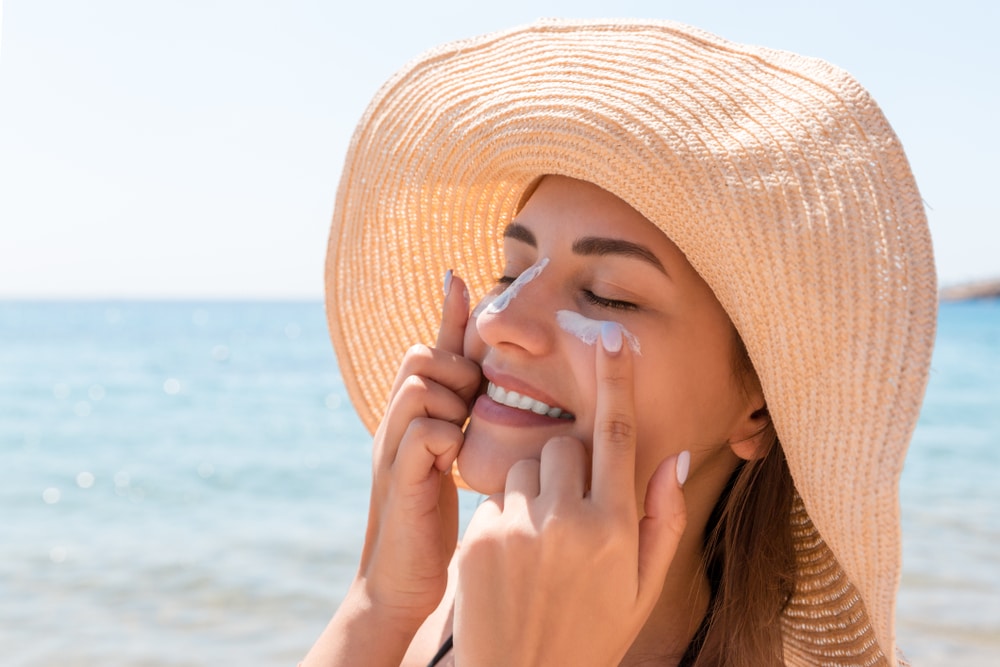
Sun exposure is one of the most common triggers of rosacea. Daily sunscreen use can help prevent flare-ups and protect the skin.
Trigger Awareness
Identifying personal triggers can help minimize flare frequency. Many patients notice improvements once they recognize patterns involving heat, alcohol, spicy foods or stress.
Periodic Follow-Up Care
Some patients benefit from maintenance treatments or occasional follow-up visits to keep rosacea symptoms under control. Working with a dermatologist allows treatment plans to be adjusted as your skin changes.
Rosacea Treatment FAQs
Can rosacea worsen if left untreated?
Rosacea can gradually worsen if left untreated. Early symptoms may begin as occasional flushing, but over time, the redness can become more persistent. Some patients may also develop visible blood vessels, inflammatory bumps or skin thickening. Early treatment can help prevent these changes and make symptoms easier to manage.
At what age does rosacea usually start?
Rosacea most commonly develops in adults between the ages of 30 and 50, although it can appear earlier or later. Many people first notice symptoms as frequent facial flushing or redness that does not fade as easily as it once did.
Can rosacea affect skin types other than fair skin?
Rosacea is often associated with lighter skin tones, but it can occur in any skin type. In deeper skin tones, the condition may appear as warmth, swelling, acne-like bumps or darker discoloration rather than as obvious redness. Dermatologic evaluation can help identify rosacea even when symptoms appear differently.
Are there skincare ingredients people with rosacea should avoid?
Some skincare ingredients may aggravate rosacea-prone skin. Patients are often advised to avoid products that contain strong alcohols, harsh exfoliants or fragrances that may trigger irritation. Gentle cleansers, moisturizers and sunscreen designed for sensitive skin are generally better tolerated.
How often do rosacea treatments need to be repeated?
Treatment frequency depends on the type of therapy used and the severity of symptoms. Some patients maintain results with topical medications and lifestyle adjustments, while others benefit from occasional maintenance treatments such as laser or light therapy. We will recommend a schedule based on your individual needs.
Why Patients Choose Bellaire Dermatology for Rosacea Care
Effective rosacea treatment requires both medical expertise and access to advanced dermatologic therapies. Because rosacea can involve inflammation, vascular changes and skin sensitivity, successful care often combines targeted treatments with personalized skincare guidance.
For more than 27 years, Bellaire Dermatology has served patients throughout the Houston area, providing proven treatments to improve and protect skin health. Located in Bellaire just minutes from the Galleria, the practice offers comprehensive care for both medical and cosmetic dermatology needs.
We are committed to personalized, patient-focused care, using progressive treatment strategies and modern technologies to address a wide range of skin conditions. Patient comfort, safety and exceptional results remain top priorities, helping individuals throughout Houston, Bellaire and Sugar Land achieve healthier, more confident skin.
Schedule a Rosacea Consultation in Houston, TX
If persistent redness, flushing or acne-like bumps are affecting your skin, rosacea may be the cause. Early evaluation can help prevent symptoms from progressing and allow treatment to begin sooner.
Scheduling a consultation at Bellaire Dermatology allows us to evaluate your symptoms, discuss potential triggers, and create a treatment plan designed to improve the health and appearance of your skin. Contact us online or call (713) 661-4383 to get started.
Control Rosacea Symptoms with Expert Dermatology Care
Persistent redness, flushing, or acne-like bumps may be signs of rosacea, a common inflammatory skin condition that affects millions of adults. At Bellaire Dermatology in Houston, TX, our dermatology team provides personalized rosacea treatment plans designed to calm inflammation and improve skin clarity. Treatment options may include prescription medications, laser therapies and advanced light-based treatments to reduce redness and visible blood vessels. Serving patients throughout Houston and Sugar Land, Bellaire Dermatology offers comprehensive care focused on helping you manage rosacea and maintain healthier-looking skin over time.