A Houston summer can change how your skin behaves. A moisturizer that felt comfortable a few months ago may suddenly seem too heavy. Sunscreen has to contend with sweat and afternoons by the pool. Redness may become more noticeable, while existing dark spots can deepen after additional sun exposure.
These changes make summer skin care about more than preventing sunburn. Ultraviolet (UV) exposure contributes to premature skin aging, uneven pigmentation and skin cancer, while heat and humidity can complicate concerns such as acne and rosacea. A good starting point is understanding what is happening to your skin before deciding on a treatment.
At Bellaire Dermatology, patients throughout Houston, Bellaire and nearby Sugar Land have access to medical dermatology, cosmetic care and advanced laser and light treatments. That combination is particularly valuable when dealing with sun-related changes because the first question should not be which treatment you need. It should be what is happening to your skin.
How Houston Summer Might Be Affecting Your Skin
UV radiation reaches your skin whether or not you develop a visible sunburn. UVA rays contribute to premature skin aging, while UVB rays are closely associated with sunburn. Broad-spectrum sunscreen protects against both.
Heat and humidity can affect your skin in several other ways:
- Sweat, oil, sunscreen and makeup can contribute to congestion in acne-prone skin
- Higher temperatures may contribute to flushing in people with rosacea
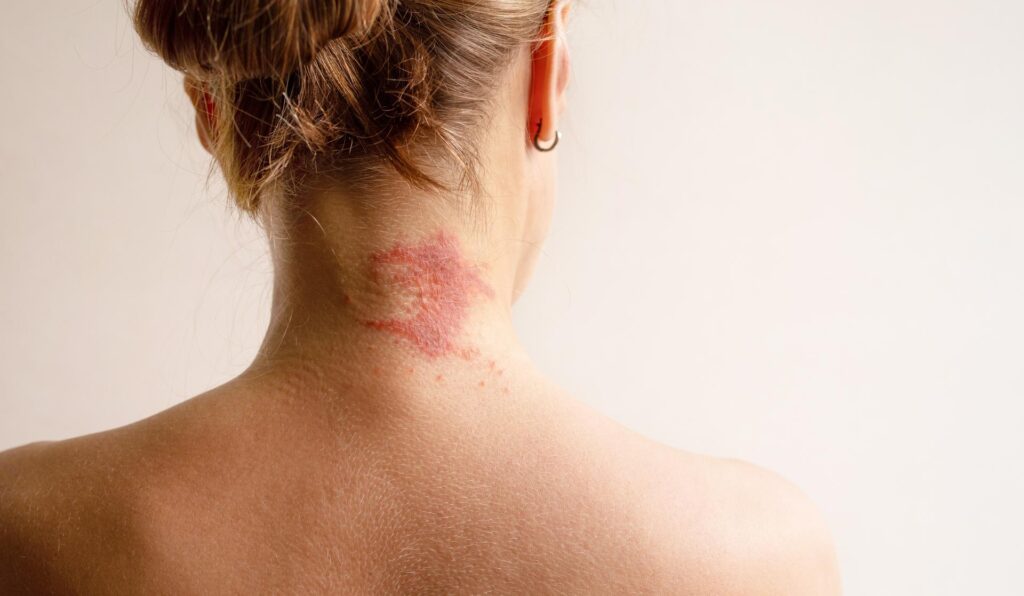
- Sun exposure can make melasma and post-inflammatory hyperpigmentation more noticeable
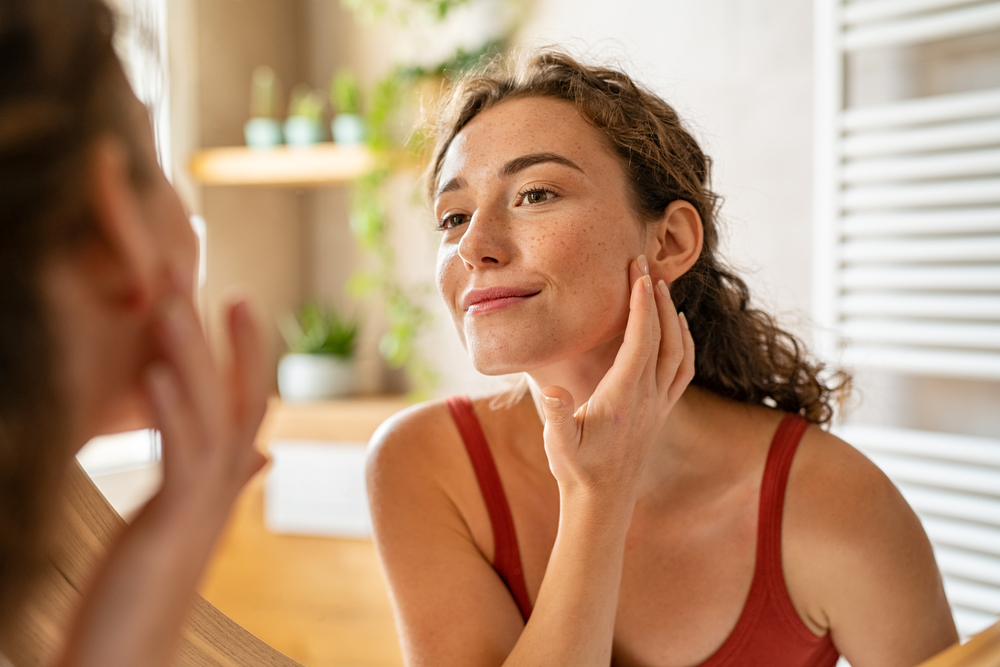
Small changes in your routine can often address these shifts. Swap your rich winter moisturizer for a lighter formula if your skin feels greasy or congested. If sweat and frequent cleansing leave your skin irritated, adding stronger exfoliants could make matters worse. Pay close attention to what your skin is trying to tell you and listen to its needs.
Start With the Damage You Can Prevent
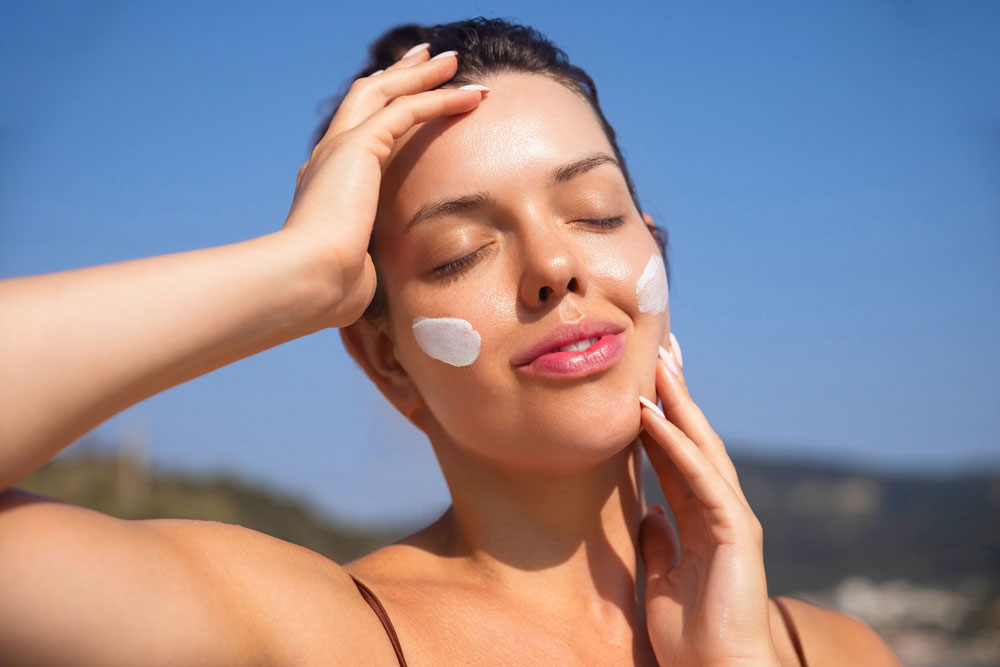
Sun protection remains the foundation of a summer routine. The American Academy of Dermatology recommends a water-resistant, broad-spectrum sunscreen with SPF 30 or higher. SPF 30 filters approximately 97% of UVB rays.
Choose a sunscreen that suits your individual needs and preferences. Texture and formulation are important considerations because the sunscreen that works for dry or post-procedure skin may not feel comfortable on someone managing acne or rosacea. You also want to choose a product you enjoy using, as it will not be effective if you do not apply it consistently.
Reapplying Sunscreen in Houston Heat
In Houston, how you use sunscreen matters as much as the SPF printed on the bottle. The Centers for Disease Control and Prevention recommends reapplying sunscreen after more than two hours outdoors and after swimming, sweating or toweling off. If you spend a Saturday at the pool, exercise outdoors or simply perspire outdoors in the afternoon, your morning application should not be your last.
Plan Around Peak UV Exposure
The UV Index can help you make more informed decisions about how much time you spend outdoors. The Environmental Protection Agency uses a scale from 1 to 11+, with 11+ indicating an extreme risk of harm from unprotected sun exposure. The CDC notes that UV rays in the continental United States tend to be strongest between 10 a.m. and 4 p.m. during daylight saving time.
Think Beyond Sunscreen
Sunscreen works best as part of a broader sun-protection strategy. When you expect extended exposure, add:
- Shade whenever it is available
- UV-protective or tightly woven clothing
- Sunglasses with UV protection
- A wide-brimmed hat for additional face, scalp, neck and ear coverage
Adjust the Rest of Your Routine Without Overcorrecting
Houston humidity may tempt you to scrub away every trace of sweat and oil, but doing so can compromise your skin barrier. Consider whether a few seasonal adjustments, rather than a full overhaul of your routine, would make your existing products work better.
Your Morning Routine
Keep the focus on protection without weighing down skin that already feels hot or oily:
- Cleanse gently based on your skin type and how oily your skin feels in the morning.
- Apply treatment products recommended for concerns such as acne, rosacea or pigmentation.
- Use a lightweight moisturizer if your skin needs additional hydration.
- Finish with broad-spectrum SPF 30 or higher before heading outside.
Your Evening Routine
At the end of a humid day, remove buildup without stripping your skin:
- Remove sunscreen, sweat and makeup with gentle cleansing.
- Apply prescribed or recommended evening treatments.
- Moisturize according to your skin’s needs.
- Avoid adding extra scrubs or acids when your skin already feels irritated.
Be particularly cautious about over-exfoliation if you already use prescription acne products, retinoids or products targeting pigmentation. Additional exfoliation can sometimes irritate skin further rather than improve its appearance.
If your skin continues to feel unusually oily, dry, irritated or congested despite adjusting your routine, we can help determine whether your products need to change.
Skincare adjustments have limits. Consistent sunscreen can help prevent additional photodamage, but existing discoloration, visible vessels or textural changes typically require a different approach: professional correction.
When Sun Damage Needs More Than Skincare
Choosing a treatment for visible sun damage starts with identifying the concern. Brown pigmentation, persistent redness and changes in texture may require different approaches, while factors such as skin tone and sensitivity can affect which technologies are appropriate.
Bellaire Dermatology offers several laser and light technologies, including IPL Photofacial, Clear + Brilliant and Fraxel Dual. Each occupies a different place in a treatment plan.
IPL Photofacial: Targeting Visible Discoloration
IPL, or intense pulsed light, uses a broad spectrum of wavelengths rather than the single wavelength associated with a traditional laser. At Bellaire Dermatology, IPL may be considered when pigmentation and other visible skin imperfections are primary concerns.
An IPL Photofacial takes approximately 30 minutes, and temporary redness or a flushed appearance may occur afterward. Sun exposure also matters before and after treatment. Patients are advised to avoid direct sun exposure and tanning products before laser procedures, since excessive sun exposure after IPL can limit its positive effects.
Clear + Brilliant: A Gentler Approach to Early Changes
Clear + Brilliant is a fractional laser treatment that can address early signs of aging, pigmentation, enlarged pores and uneven texture. This option tends to suit patients who are just beginning to notice changes in tone or texture and do not yet need more intensive resurfacing.
As a gentler fractional option, it’s typically positioned earlier in a skincare plan than treatments designed for more established photodamage.
Fraxel Dual: Addressing More Established Photodamage
Fraxel Dual provides another fractional resurfacing option. The system uses 1550 nm and 1927 nm wavelengths, allowing providers to address concerns at different depths, including pigmentation and textural changes associated with photodamage.
Not Every Summer Concern Calls for a Laser
Laser and light treatments make sense for certain forms of photodamage, but summer skin concerns can also involve congestion, dehydration and surface-level discoloration. Those problems may call for a different approach.
HydraFacial: When Congestion and Hydration Are the Priority
HydraFacial combines cleansing, exfoliation and hydration and may be considered for concerns such as oily or congested skin, enlarged pores, dryness or dull texture. Because it requires no downtime, HydraFacial is generally used for skin maintenance and surface-level concerns rather than established photodamage.
Chemical Peels: When Controlled Exfoliation Is Needed
Professional chemical peels use controlled exfoliation and, depending on the formulation and depth selected, may help address concerns such as discoloration, acne and uneven texture. These sit between home skincare and device-based correction on the treatment spectrum.
What Results Can You Expect?
Results vary according to the concern, your skin type, the technology used and the intensity of treatment. Some patients may notice improvement after one laser session, while other plans can involve three to six sessions spaced several weeks apart.
Recovery also varies by procedure. Non-ablative treatments may cause temporary redness or swelling, while more intensive resurfacing can involve peeling or flaking. Your consultation is the best time to discuss both the likely treatment course and the recovery timeline that fits your schedule.
How to Protect Your Results From Future Damage
Once you have addressed existing damage, maintenance is largely about limiting new damage and supporting your skin between treatments:
- Use broad-spectrum SPF 30 or higher consistently.
- Avoid intentional tanning.
- Follow the aftercare instructions for your procedure.
- Use products that support your skin barrier and treatment goals.
- Discuss maintenance treatments with us when appropriate.
Sun exposure, natural aging and everyday skincare habits can all influence how long your improvements remain visible.
Summer Skin Care With Dermatology Expertise Behind It
Managing a Houston summer involves both preventing new damage and correcting what’s already there. Sunscreen, thoughtful product choices and smart outdoor habits can help limit additional damage. Certain existing changes, however, may need professional treatment to improve.
The Bellaire Dermatology team can evaluate what you are seeing before determining whether your next step belongs in your skincare routine, a cosmetic treatment plan or medical dermatology care.
If sun exposure has left you with persistent discoloration, redness or changes in texture, a consultation at Bellaire Dermatology can help you understand what you are seeing and which options make sense for your skin. Schedule your consultation to create a personalized plan for healthier, better-protected skin through summer and the seasons ahead.