Both medical dermatology and cosmetic dermatology are important. They address different concerns, but together they can give you a complete approach to skin health and beauty. Learning where they overlap and where they differ can help you make informed decisions about what kind of care you may need.
At Bellaire Dermatology, we offer cosmetic and medical dermatologic care, from treating chronic skin conditions to supporting skin appearance through aesthetic treatments. Each approach has its own purpose, and not every concern falls neatly into just one category.
The Importance of Taking Care of Your Skin in Houston
The Houston climate brings year-round humidity, high temperatures, and intense sun exposure, all of which can affect your skin. Prolonged UV exposure increases the risk of premature aging, pigmentation changes, and certain skin conditions. The heat and moisture can also contribute to clogged pores, breakouts, and flare-ups of chronic concerns like rosacea or eczema. In Houston, air pollution and seasonal allergens are additional factors that may irritate the skin or trigger inflammation.
Differences Between Medical vs Cosmetic Dermatology at a Glance
Purpose
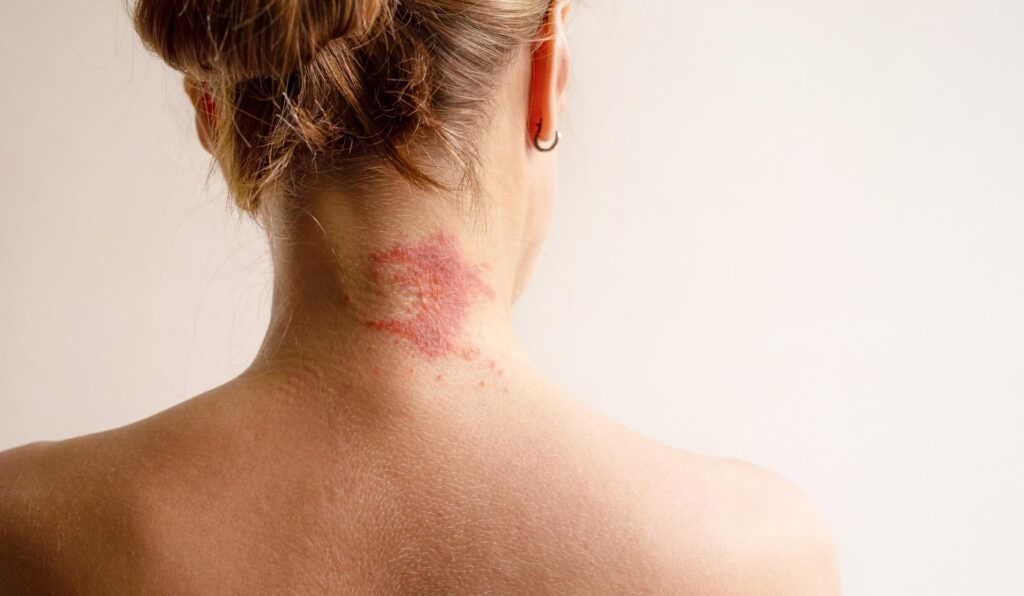
The difference between medical and cosmetic dermatology begins with the reason for treatment. Medical dermatology focuses on diagnosing and managing conditions that affect skin health, such as acne, psoriasis, infections, and skin cancer. Cosmetic dermatology addresses concerns related to appearance, including wrinkles, volume loss, and uneven skin tone.
Insurance and Cost
Medical dermatology services are often covered by insurance when they are deemed medically necessary. Conditions like rashes, suspicious moles, or persistent skin irritation typically qualify for coverage. Cosmetic dermatology treatments are elective and are not covered by insurance plans.
Tools and Technology
Medical dermatology relies on diagnostic tools such as skin biopsies, dermatoscopes, and lab testing. It may also involve prescription medications, cryotherapy, lasers, or minor surgical procedures. Cosmetic dermatology uses lasers, injectables, light-based devices, and resurfacing techniques to enhance the skin’s appearance.
Training and Expertise
Dermatologists receive training in both medical and cosmetic care, but not every provider focuses equally on each category. Skill level can vary depending on the provider’s focus and the range of treatments offered.
What Is Medical Dermatology?
Medical dermatology focuses on diagnosing, treating, and managing diseases that affect the skin, hair, and nails. It addresses both acute and chronic conditions that may cause discomfort, inflammation, or visible changes to the skin.
Conditions We Can Treat With Medical Dermatology
We treat a wide range of medical dermatology conditions, from mild concerns to more complex diagnoses. Some of the most frequently treated conditions include:
- Acne
- Eczema
- Psoriasis
- Rosacea
- Skin Rashes
- Warts
- Skin Tags
- Vitiligo
- Hair Loss
- Skin Infections
Types of Medical Dermatology Treatments
Skin Biopsy
A skin biopsy is used to diagnose dermatologic conditions by removing a small tissue sample for lab evaluation. We may recommend this when a spot looks abnormal, changes quickly, or fails to respond to standard treatments. The results help us know whether a condition is benign, inflammatory, or cancerous. Among all medical dermatology services, this is one of the most valuable tools for diagnostic clarity.
Medical-Grade Skin Care Recommendations
Not all skin conditions require prescriptions. Some benefit from properly formulated, science-backed topical products that support the skin’s barrier, reduce inflammation, or manage breakouts. We help identify which products are appropriate for your diagnosis, skin type, and current routine.
Prescription Medications
Prescription topical creams, gels, or ointments are often used to treat inflammatory skin conditions, infections, or acne. When topical treatments are not enough, oral medications may help target internal triggers, such as bacteria or immune responses. Your progress is monitored, and adjustments are made based on how your skin responds.
Biologics
Biologics are treatments used for moderate to severe inflammatory skin conditions such as psoriasis or eczema. These medications target specific pathways in the immune system that drive inflammation. Biologics are typically given as injections and require screening and ongoing follow-up. They are prescribed when conventional therapies are not enough or are not well tolerated.
Light and Laser Therapy
Focused light or laser-based treatments can calm inflammation, treat precancerous spots, or manage chronic skin disorders. These treatments are selected based on the specific diagnosis and skin type. Some may require multiple sessions, especially when addressing conditions like psoriasis or actinic keratoses.
Excision
When a skin lesion needs to be removed entirely, we may recommend excision. This treatment involves cutting out the lesion along with a small margin of surrounding skin. It is commonly used for suspicious moles, skin cancers, or uncomfortable growths. The excised sample is often sent to a lab for further analysis to confirm the diagnosis.
What Is Cosmetic Dermatology?
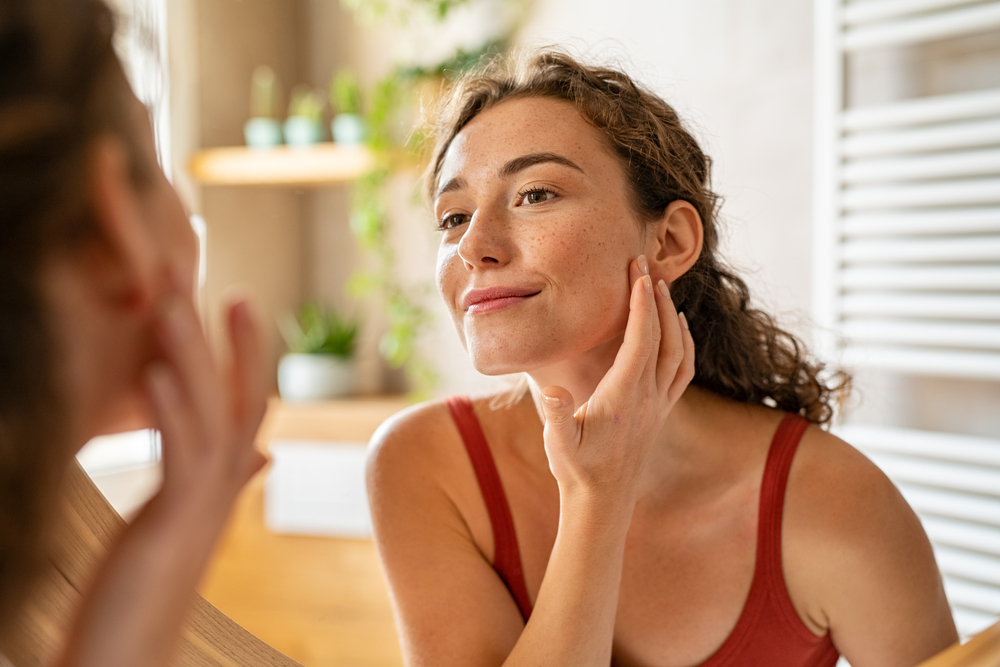
Cosmetic dermatology enhances the skin’s appearance using non-surgical treatments that address texture, tone, and volume. Some treatments are minimally invasive with little to no downtime, while others provide more significant or lasting results.
Types of Cosmetic Dermatology Treatments
Injectables like neuromodulators and dermal fillers are used to smooth lines or restore volume. Laser treatments and chemical peels can improve uneven tone, reduce discoloration, and resurface the skin. Microneedling and other collagen-stimulating treatments may help with scarring and firmness. Each option is selected based on your skin type, goals, and how the skin responds to treatment.
Injectable Treatments
- Botox®: Botox is a neuromodulator used to temporarily relax specific facial muscles that cause expression lines. It is commonly injected into areas such as the forehead, frown lines, and crow’s feet, but it can also be used off-label for other areas.
- SKINVEVE by JUVÉDERM®: Skinvive is an injectable microdroplet hyaluronic acid treatment that improves skin hydration and smoothness. It is placed just beneath the surface to enhance overall skin quality, but does not change the contour of your face.
- Dermal Fillers: Dermal fillers, like JUVÉDERM®, Restylane®, Sculptra®, and Radiesse®, add volume to areas that have thinned due to aging or structural changes. Common treatment zones include the lips, cheeks, nasolabial folds, and under the eyes.
- Kybella®: Kybella is an injectable treatment that helps reduce submental fullness, often referred to as a double chin. It contains deoxycholic acid, which helps break down fat cells wherever it is injected.
Laser & Device-Based Treatments
Clear + Brilliant
We often recommend Clear + Brilliant for patients with sensitive skin looking to refresh dull skin or soften early signs of aging without too much downtime. It is similar to the Fraxel system but is milder and can treat everything from melasma to wrinkles. The treatment uses fractional laser energy to create tiny treatment zones and encourage new tissue growth.
Fraxel Dual
Fraxel Dual combines two wavelengths in a single device to treat wrinkles, hyperpigmentation, stretch marks, acne scars, and more. It creates micro-thermal treatment zones in the skin that prompt the skin to produce more collagen. It can be used on the face, neck, and chest to address sun damage, aging, and uneven tone.
Cutera Lasers
Redness, visible vessels, sun spots, and unwanted hair can all be addressed using Cutera’s laser platforms. With adjustable settings and different applicators, these systems offer versatility across a range of skin types and cosmetic concerns.
IPL (Intense Pulsed Light)
Instead of using a single wavelength like lasers, IPL delivers multiple wavelengths of light to treat discoloration and vascular lesions. It can improve the appearance of sun-damaged skin, freckles, broken capillaries, and more. IPL photofacials are commonly used in cosmetic dermatology for overall tone correction.
Mixto Fractional CO2
Mixto uses fractionated carbon dioxide laser energy to resurface damaged or aging skin. It is typically chosen for deep lines, scars, and more advanced signs of sun exposure. It offers the benefits of immediate skin contraction combined with longer-lasting tightening through collagen production.
DiamondGlow
DiamondGlow uses a diamond-tipped wand to exfoliate the skin while simultaneously extracting debris and infusing targeted serums. It is a non-invasive option that boosts hydration, improves texture, and enhances radiance. The skin feels smoother and looks brighter immediately after this relaxing facial treatment.
Skin Rejuvenation & Texture Treatments
Chemical Peels
Chemical peels exfoliate the skin using specific acids to improve tone, texture, and clarity. We offer a full spectrum of options, including retinol, glycolic acid, and TCA peels, as well as solutions from SkinMedica® and SkinCeuticals®. Light peels may require little to no downtime, while deeper peels involve more significant peeling and recovery.
Medical-Grade Facials
Facials in a dermatology setting go beyond spa treatments and provide more benefits with more options for customization. We offer Hydrafacial® and other custom facials that incorporate different techniques and medical-grade products that clean, exfoliate, and hydrate the skin. These treatments are often used to maintain results between other procedures or as a gentle way to support ongoing skin health.
Microneedling with Morpheus8
Morpheus8 combines microneedling with radiofrequency energy to stimulate collagen production and tighten skin. The device delivers energy through fine needles that can be adjusted to treat the skin at variable depths. With this treatment, we can address surface concerns like rough texture as well as deeper structural concerns like wrinkles or sagging. It is often used on the face, neck, and jawline to address laxity, scarring, and uneven texture.
Best Candidates for Medical and Cosmetic Dermatology
Medical dermatology is appropriate for individuals who need diagnosis, treatment, or ongoing management of skin-related health issues. It is often a good fit for those experiencing changes that require clinical evaluation or those who need long-term care for chronic conditions.
Cosmetic dermatology suits those who are generally in good health and want to improve the appearance of their skin without surgery. Candidates for cosmetic treatments often have stable skin health and realistic expectations about gradual or subtle improvements. Both types of care require a consultation to evaluate goals, overall health, and how the skin is currently functioning.
When You May Need Both
Some people benefit from both types of dermatology when functional and aesthetic concerns overlap. For example, someone treating rosacea medically may still want to reduce lingering redness with laser therapy. Others may need to clear a condition before starting cosmetic treatments, or they may want to improve skin texture while managing chronic flare-ups. Addressing both categories at once can help support long-term results and minimize future irritation.
Why Choose Us?
Bellaire Dermatology has served Houston for more than 27 years, combining experience with the most current treatment options in both medical dermatology and cosmetic dermatology. We treat patients of all ages in a setting that is both welcoming and efficient, with a focus on making each visit comfortable and productive. Our dermatologists and staff stay current with clinical advancements.
We approach each case with individual attention, whether it involves diagnosis and treatment or cosmetic planning. Our office is equipped with a wide range of technologies and services to meet your skin care needs in one location. Whether you are seeking long-term care or a specific aesthetic service, we provide the guidance and treatment experience to support you.
Giving Your Skin Health and Beauty With Dermatology Services in Houston, TX
Both medical dermatology and cosmetic dermatology can help address different aspects of skin health, depending on your goals and concerns. We offer comprehensive care for patients throughout Houston, TX, including Bellaire and Sugarland, with access to the latest diagnostic tools, treatments, and technologies. To learn more or request an appointment at Bellaire Dermatology, please contact us or call (713) 661-4383.